

Are you experiencing an irritating redness to the cheeks, nose, chin, or forehead?
SYMPTOMS
-
Flushing
-
Persistent redness
-
Painful lumps and pimples
-
Visible blood vessels
-
Burning, stinging or itching of the face
-
Dryness
-
Facial swelling
Rosacea is a common, chronic inflammatory skin condition. We do not know the exact cause however, we do know that various environmental and lifestyle trigger can cause patients with rosacea-prone skin to flare. These triggers and include weather, food and drink, exercises, stress, medical conditions, medication and drugs, skin care products, and demodex mites.
Rosacea is characterised by redness in the areas of the face. It can be accompanied by pimples, deep painful lumps, rough-textured skin, small veins, and an itching or burning sensation. Rosacea often occurs between the ages of 30 and 60 and is found more predominantly in women and individuals with fair skin.
There is no cure for rosacea, but there are effective treatment options to manage and control symptoms. At ART, we offer a range of solutions that may include topical and systemic therapies and advanced laser treatments. With our uniquely customised approach, we are committed to improving your quality of life.
Diferentes etapas de la rosácea:

Etapa 1
Redness appears occasionally and is often triggered by hot drinks, spicy food, or exercise.

Etapa 2
Redness becomes more consistent. Small visible blood vessels (telangiectasia) may appear.

Etapa 3
Acne-like breakouts begin, without blackheads. Skin may feel sore or sensitive.

Etapa 4
Skin may thicken, particularly around the nose (rhinophyma).

Etapa 5
In rare cases, severe rosacea - called phymatous rosacea - can lead to the development of rhinophyma - a bulbous enlargement of the nose, most common in men. Rosacea can also be ocular when it is located on the eyelids, conjunctiva and cornea, manifesting itself as red, watery and very dry eyes.
Diferentes etapas de la rosácea:
Stage 1
Redness appears occasionally and is often triggered by hot drinks, spicy food, or exercise.
Stage 2
Redness becomes more consistent. Small visible blood vessels (telangiectasia) may appear.
Stage 3
Acne-like breakouts begin, without blackheads. Skin may feel sore or sensitive.
Stage 4
Skin may thicken, particularly around the nose (rhinophyma).
Stage 5
In rare cases, severe rosacea - called phymatous rosacea - can lead to the development of rhinophyma - a bulbous enlargement of the nose, most common in men. Rosacea can also be ocular when it is located on the eyelids, conjunctiva and cornea, manifesting itself as red, watery and very dry eyes.
TREATMENT
Skincare Products
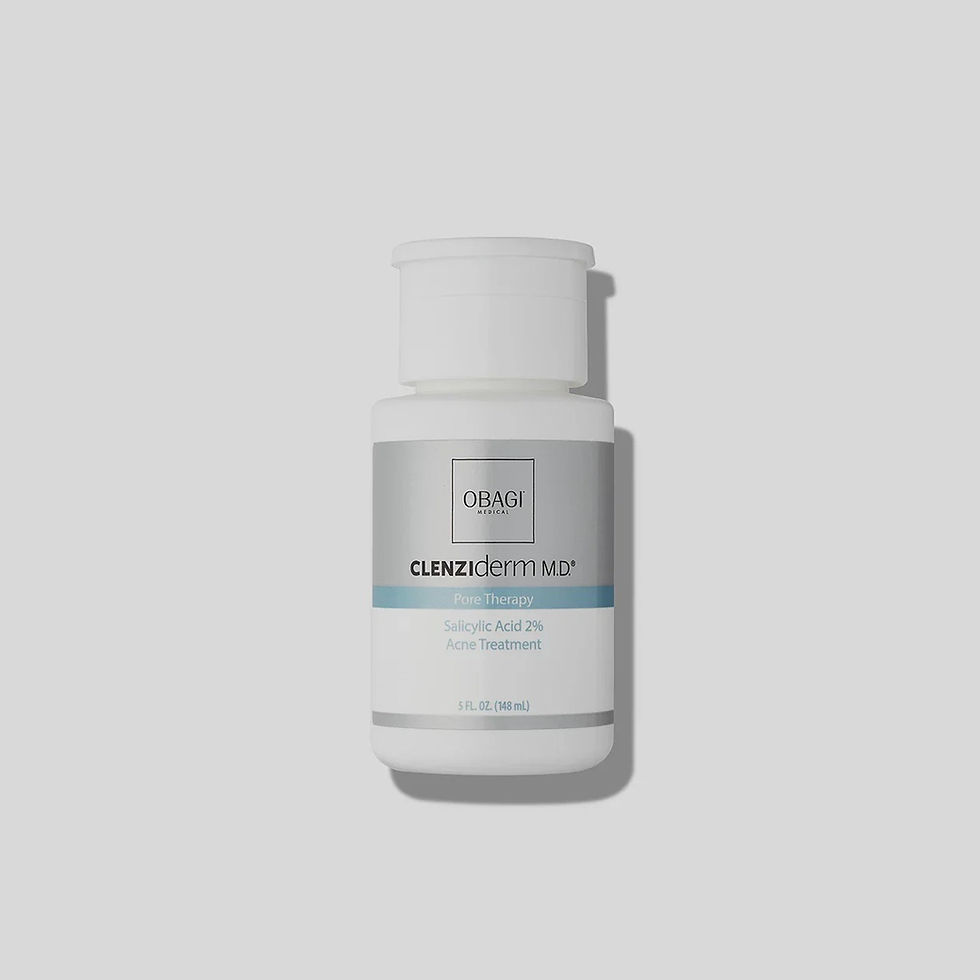

Skin Peels
TREATMENT

Microneedling
TREATMENT
