

Why does my skin look older than I feel?
SYMPTOMS
-
Fine lines and wrinkles
-
Sagging, thinning skin
-
Loss of volume or plumpness
-
Uneven tone or sun spots
-
Dull or tired complexion
-
Visible veins or texture changes
-
Dryness or dehydration
Over time, the skin’s structure begins to change: collagen and elastin levels drop, cell turnover slows, and moisture retention decreases. This can lead to fine lines, wrinkles, sagging, and a general loss of firmness or radiance. External factors like sun exposure, pollution, stress, and lifestyle choices all accelerate these changes, while hormonal shifts in the menopause or andropause can also play a significant role. The effects show first on the eye area, face, neck, chest and hands—areas that are most exposed day to day.
Younger clients (under 40) now like to practice “collagen banking” where we strive to keep up the collagen and elastin in our skin.
The delicate eye area – both above and below can be treated with a variety of methods for both colour and quality of skin.

Stage 1
Redness appears occasionally and is often triggered by hot drinks, spicy food, or exercise.
Stage 2
Redness becomes more consistent. Small visible blood vessels (telangiectasia) may appear.
Stage 3
Acne-like breakouts begin, without blackheads. Skin may feel sore or sensitive.
Stage 4
Skin may thicken, particularly around the nose (rhinophyma).
Stage 5
In rare cases, severe rosacea - called phymatous rosacea - can lead to the development of rhinophyma - a bulbous enlargement of the nose, most common in men. Rosacea can also be ocular when it is located on the eyelids, conjunctiva and cornea, manifesting itself as red, watery and very dry eyes.
Different stages of Rosacea:
TREATMENT
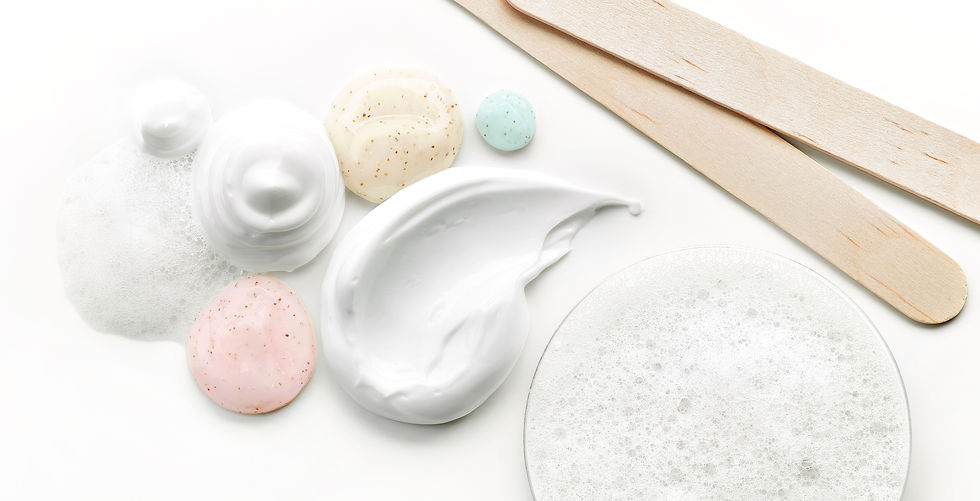
Skincare
Products


Skin Peels
TREATMENT
Plexr Plus
TREATMENT

TREATMENT
Microneedling

TREATMENT
Fractional CO2 Laser Resurfacing

Lipolas Laserlift ®
TREATMENT

Dermal Fillers
TREATMENT

TREATMENT
Skin Remodelling

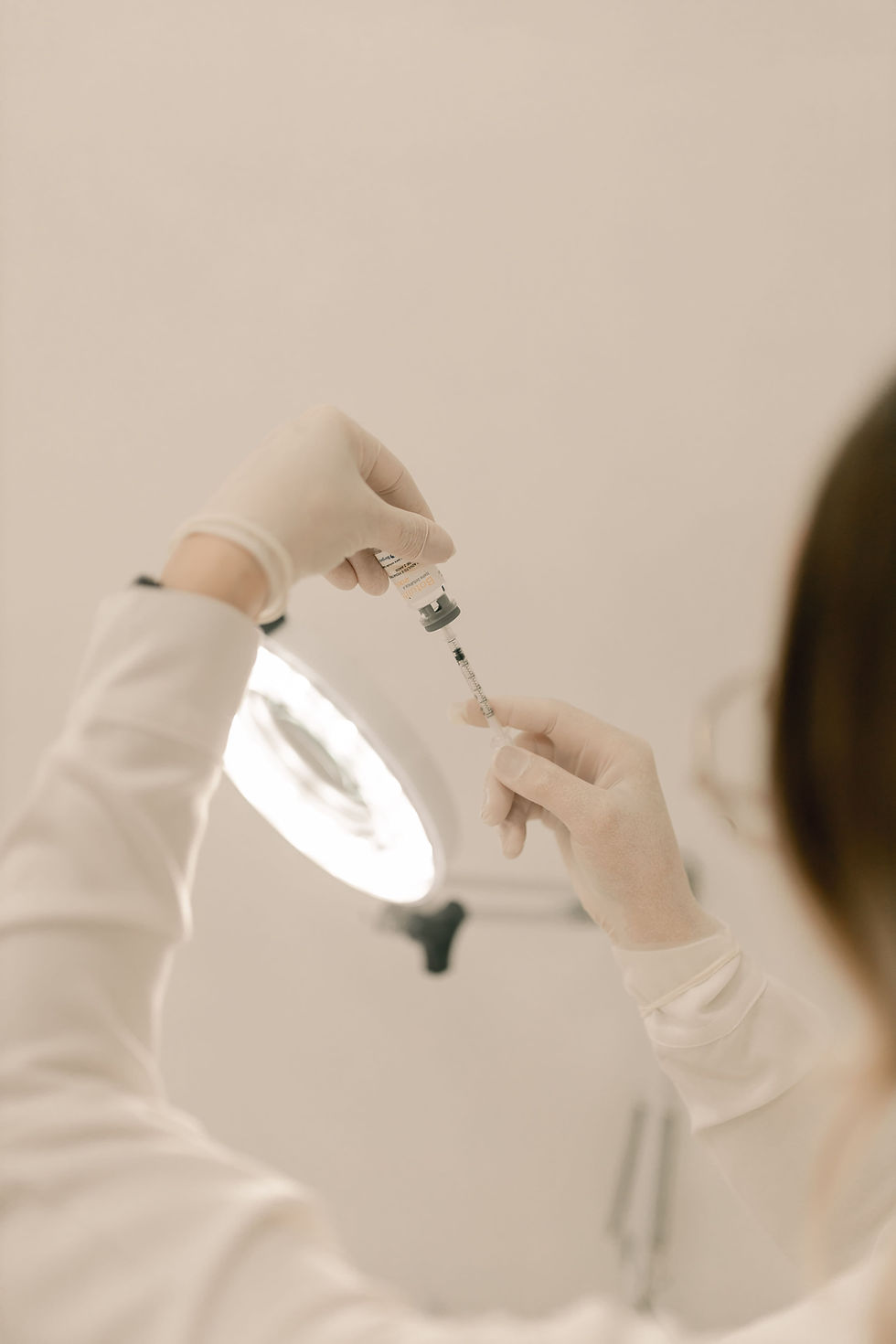
Botulinum Toxin Injections
TREATMENT
TREATMENT
Skincare Products

Skin Peels
TREATMENT
Plexr Plus
TREATMENT
Lipolas Laserlift ®
TREATMENT
TREATMENT
Microneedling

Fractional CO2
Laser Resurfacing
TREATMENT
Dermal Fillers
TREATMENT
TREATMENT
Skin Remodelling
Botulinum Toxin Injections
TREATMENT